
Year-End Tax Prep for Small Business: What to Do Before You File (US & Canada)
Paying your quarterly estimated taxes isn't the same as filing your return. Here's exactly what to do before you (or your accountant) file — for the U.S. and Canada.
By Antoine Joseph · Taxes for Small Business · 6 min read
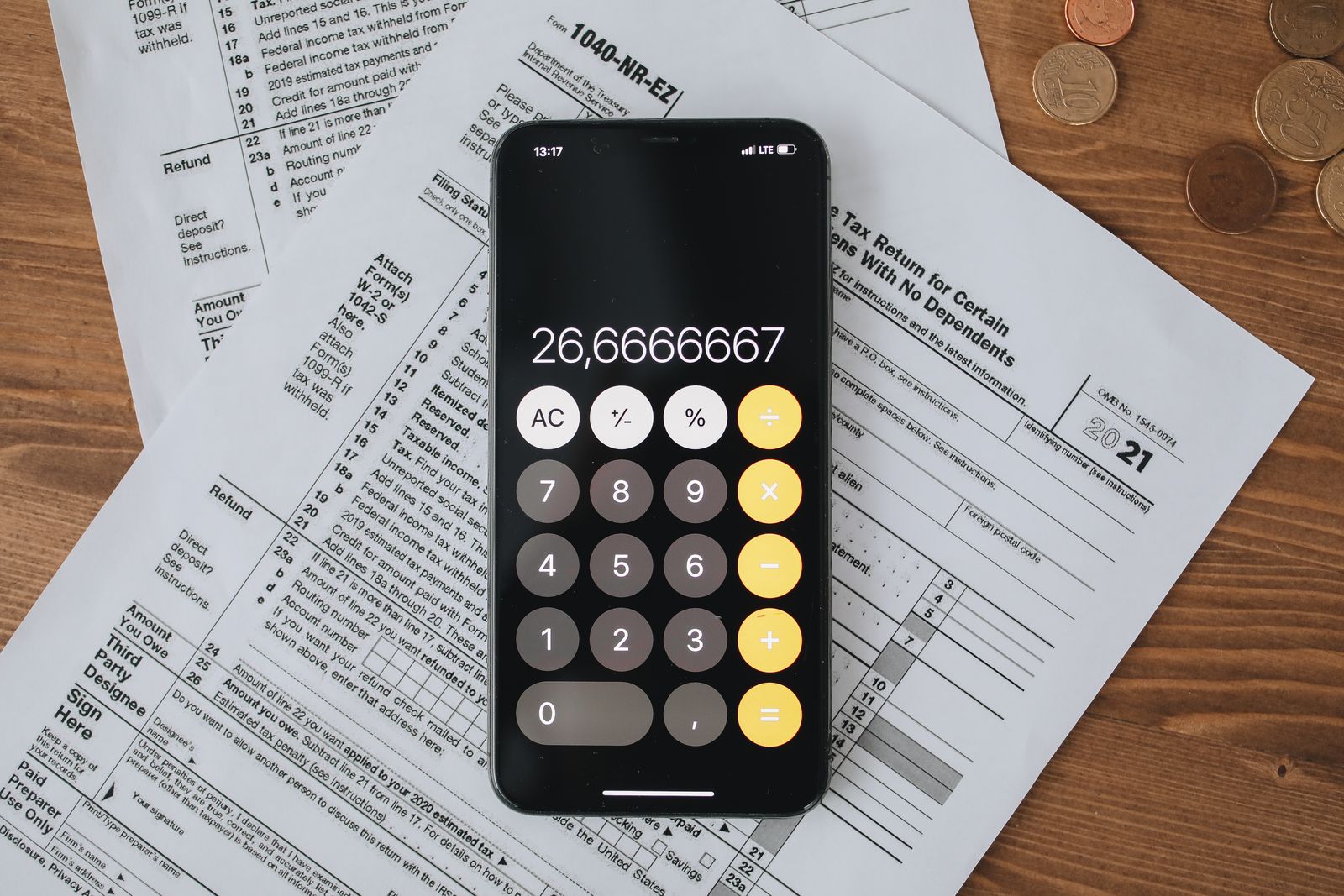
Photo via Pexels
If you've been paying quarterly estimated taxes all year, it's tempting to think you're already done when December 31 hits. You're not. Quarterly payments cover the tax bill as you go; year-end tax prep is the separate job of closing out your books, gathering the paperwork, and getting your actual return ready to file. Mixing the two up is one of the most common ways small business owners get caught off guard every spring.
This is a checklist, not tax advice specific to your situation — for anything that depends on your numbers, talk to a licensed accountant or tax preparer. But you can do the prep work yourself, and knowing what's coming makes that conversation faster and cheaper.
Quarterly Taxes vs. Year-End Taxes: What's Actually Different
Quarterly estimated payments are installments toward a bill you haven't finished calculating yet — a rough guess, paid four times a year, so you're not hit with one huge payment (and a penalty) at filing time. (See iLuvAccounting's Quarterly Estimated Taxes, Explained for the full breakdown of how those payments work and their due dates.) Year-end tax prep is what happens after the year closes: you total up everything that actually happened, reconcile it against what you paid in, and file the return that settles the difference — a refund if you overpaid, a balance due if you underpaid.
What “Closing Out the Year” Means Before You File
Before you or your accountant can file anything, your books need to reflect the full year, not just what you remembered to enter. In practice that means:
- Reconcile every account through December 31. Bank, credit card, and loan balances in your books should match your statements exactly, with nothing from January bleeding into the prior year.
- Categorize every expense. Anything still sitting in an “uncategorized” or “ask my accountant” bucket needs a real category before you can total your deductions.
- Pull your mileage and home office numbers, if you use either deduction. These need a full-year total, not a guess.
- Count inventory, if you carry any, as of December 31.
- Confirm you have current W-9s or equivalent on file for anyone you paid as a contractor, so you're not scrambling for a tax ID number in January.
If You're in the US
1099-NEC and W-2 forms are due January 31 — to the recipient and to the IRS, whether you file on paper or electronically. If that date falls on a weekend or holiday, the deadline moves to the next business day.
A real change for the 2026 tax year: the threshold for having to issue a 1099-NEC or 1099-MISC to a contractor jumped from $600 to $2,000, per the IRS's updated instructions for these forms — the first change to that threshold since 1954. It applies to payments made during 2026 and later. That doesn't mean smaller payments stop being taxable income for the person who received them — it just means you're not required to send a form for anything under $2,000.
Your return itself. Sole proprietors and single-member LLCs report business income on Schedule C, filed with your personal Form 1040, generally due April 15 following the tax year. You can file for an automatic extension to October 15 using Form 4868 — but that only extends the paperwork deadline. Any tax you owe is still due April 15, so an extension without a payment estimate just adds interest and penalties on top of the bill.
One more date to keep on the calendar: your fourth-quarter estimated payment for 2026 is due January 15, 2027 — before any of the above. See iLuvAccounting's quarterly estimated taxes guide for the full payment schedule and how the amount is calculated.
If You're in Canada
T4 and T4A slips — for employees and most contractors you paid — are due to the recipient and the Canada Revenue Agency (CRA) by the last day of February following the calendar year. If that date lands on a weekend, the CRA treats the next business day as on time.
Self-employed individuals get a later filing deadline than employees: your T1 income tax and benefit return is due June 15 following the tax year. But any balance owing is due April 30 regardless — file in June, and you'll owe interest on anything unpaid since May 1, even though the paperwork itself isn't late yet.
GST/HST, if you're registered. A sole proprietor with a December 31 fiscal year-end who files GST/HST annually follows the same split as income tax: the return is due June 15, but the net tax owing is due April 30.
If you're incorporated, your T2 corporate return is due within six months of your fiscal year-end, and any balance owing is generally due two to three months after year-end depending on your corporation's structure — different enough from the sole-proprietor rules above that it's worth confirming your specific dates with a CRA-registered preparer rather than assuming the sole-proprietor dates apply.
A Simple Pre-Filing Checklist
- 1. Reconcile through December 31. Every account, matched to the statement, zero unexplained differences.
- 2. Categorize every transaction. Nothing left in “uncategorized.”
- 3. Total your deductions. Mileage, home office, and any other percentage-based deductions need full-year numbers, not estimates.
- 4. Confirm contractor paperwork. W-9s (US) or the equivalent CRA information on file for anyone you'll need to issue a 1099-NEC or T4A to.
- 5. Issue contractor and employee forms on time. January 31 in the US, last day of February in Canada.
- 6. Gather last year's return. Your prior return is the fastest way for you or a preparer to catch a missed deduction or a number that looks off.
- 7. Know your balance-due date, not just your filing date. In both countries, the date you owe money and the date your paperwork is due aren't always the same day — mark both.
Before You File, a Second Look Doesn't Hurt
Once your books are closed and categorized, it's worth a final sanity check before you hand numbers to a preparer or file yourself — does this deduction total look right against last year, does anything look miscategorized. That's a reasonable use of an AI second opinion: not to decide what's deductible, but to flag something that looks off before a preparer has to catch it (or the CRA/IRS does).
Sources
- IRS — Instructions for Forms 1099-MISC and 1099-NEC (2026) — supports the January 31 filing/furnishing deadline and the increase in the information-return reporting threshold to $2,000 for tax years beginning after 2025.
- IRS — Starting or ending a business FAQs — supports Schedule C being filed with Form 1040, generally due April 15, with an extension to October 15.
- Canada Revenue Agency — 2026 Tax deadlines for Canadian businesses and self-employed individuals — supports the T4/T4A last-day-of-February deadline, the June 15 self-employed filing deadline with April 30 balance-due date, the GST/HST annual filer split for sole proprietors, and the T2 corporate filing/balance-due timing.
Frequently Asked Questions
Related Free Tools
Want a Firm Foundation in Accounting? Get the Book.
A complete print and digital textbook from Antoine Joseph — the same plain-English approach as this blog, from your first journal entry through a finished set of financial reports.
See the Book