
How to Read an Income Statement (Without an Accounting Degree)
Revenue, cost of goods sold, gross profit, operating expenses, net income — a stack of numbers most beginners have no legend for. Here’s what each line actually means.
By Antoine Joseph · Financial Statements · 5 min read
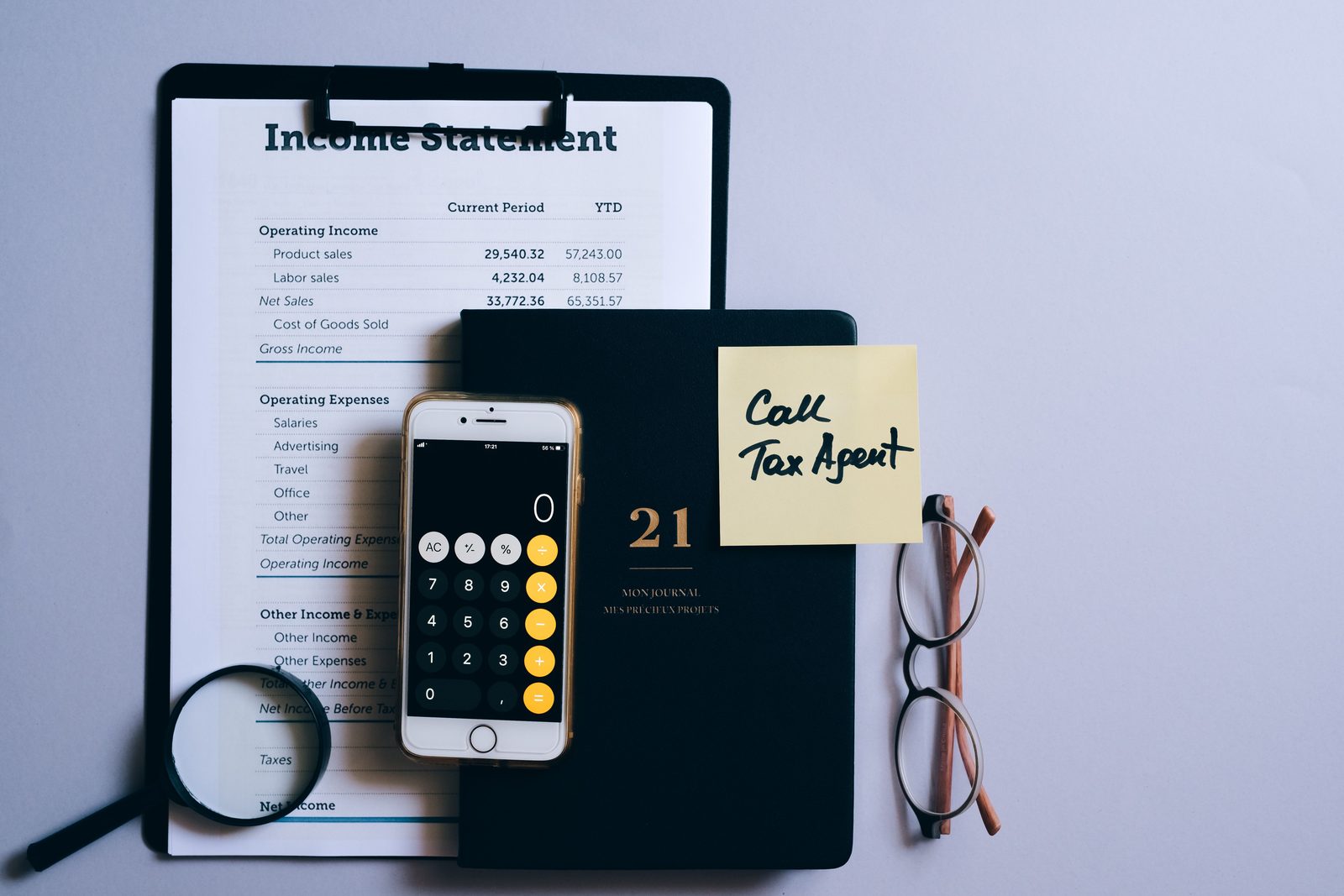
Photo via Pexels
You pull up your income statement and see a stack of numbers — revenue, cost of goods sold, gross profit, operating expenses, net income — and have no idea which one actually tells you how the business is doing. That's a normal place to land. Nobody hands you a legend for this thing. An income statement is a report that shows how much money a business made and spent over a specific stretch of time — a month, a quarter, a year — and what was left over at the end. It's also called a profit and loss statement, or P&L. Same document, different name, and both terms mean the identical report in the US and in Canada, with no jurisdictional difference in what's on it.
That's different from a balance sheet, which is a snapshot of what a business owns and owes on one specific date. An income statement covers a period of time. A balance sheet covers a single moment. Keeping that distinction straight clears up most of the early confusion.
Read it like a staircase, not a list
The clearest way to think about an income statement — this framing comes from the SEC's own guide for beginner investors — is as a set of stairs. Start at the top with the full amount of money the business brought in, and take a deduction at each step down, until you land on what's actually left.
- 1Revenue. The money brought in from selling a product or service, before anything gets subtracted. Also called sales.
- 2Cost of goods sold (or cost of sales, or cost of services, depending on the business). What it directly cost to produce what was sold — materials and labor for a product business, direct delivery costs for a service business. A pure service business, like a consultant or a bookkeeper, sometimes skips this line entirely and goes straight to operating expenses, since there's no physical product being made.
- 3Gross profit. Revenue minus cost of goods sold. This shows how much room is left before overhead costs come out of it.
- 4Operating expenses. Everything it costs to run the business day to day that isn't tied directly to making the product — rent, software subscriptions, marketing, admin salaries, insurance. Sometimes labeled SG&A (selling, general, and administrative expenses).
- 5Operating income. Gross profit minus operating expenses. This is what the core business actually earns, before anything unusual gets factored in.
- 6Non-operating items. Things outside normal day-to-day operations — interest paid on a loan, interest earned on savings, a one-time gain or loss from selling equipment. These get added or subtracted next.
- 7Net income. What's left after every expense — including taxes — is subtracted from every dollar brought in. This is “the bottom line,” literally the last line on the statement, and it's the number most people mean when they ask, “did the business make money?”
The two numbers worth checking first
If only two things get a real look, make it these. Gross profit (and gross margin, which is gross profit divided by revenue): if this number is thin or shrinking, it means either prices are too low or direct costs are creeping up, and no amount of cutting overhead fixes that on its own. Net income: not just whether it's positive, but whether it's positive for the right reason. A business can show a healthy net income in one period because of a one-time gain, like selling old equipment, that has nothing to do with how the core business actually performed — which is why the non-operating items step matters. It's worth knowing whether the bottom line reflects the business running well, or a one-off event dressed up as profit.
Where it fits with the other two statements
The balance sheet shows what a business owns and owes at a single point in time. The income statement (P&L) shows whether it was profitable over a period. The cash flow statement shows what actually happened to its cash over that same period — and a business can be profitable on its income statement while still running short on cash, because profit and cash aren't the same thing. All three come from the same underlying numbers; the income statement is simply the one built to answer one question: did the business make money, and from what.
Want the fast version?
The Read a P&L in 5 Minutes cheat sheet covers this same structure as a one-page printable reference, plus three ratios and red flags worth watching for.
Sources
- U.S. SEC, Beginners' Guide to Financial Statements — official investor-education guide; source for the “staircase” description of the income statement and the “bottom line” terminology
- BDC (Business Development Bank of Canada), “What is an income statement” — confirms the component breakdown and that Canadian usage treats “income statement” and “P&L” as interchangeable terms, consistent with US usage
Frequently Asked Questions
Related Free Tools
Want a Firm Foundation in Accounting? Get the Book.
A complete print and digital textbook from Antoine Joseph — the same plain-English approach as this blog, from your first journal entry through a finished set of financial reports.
See the Book